BLACK LIFE ON THE EASTERN SHORE
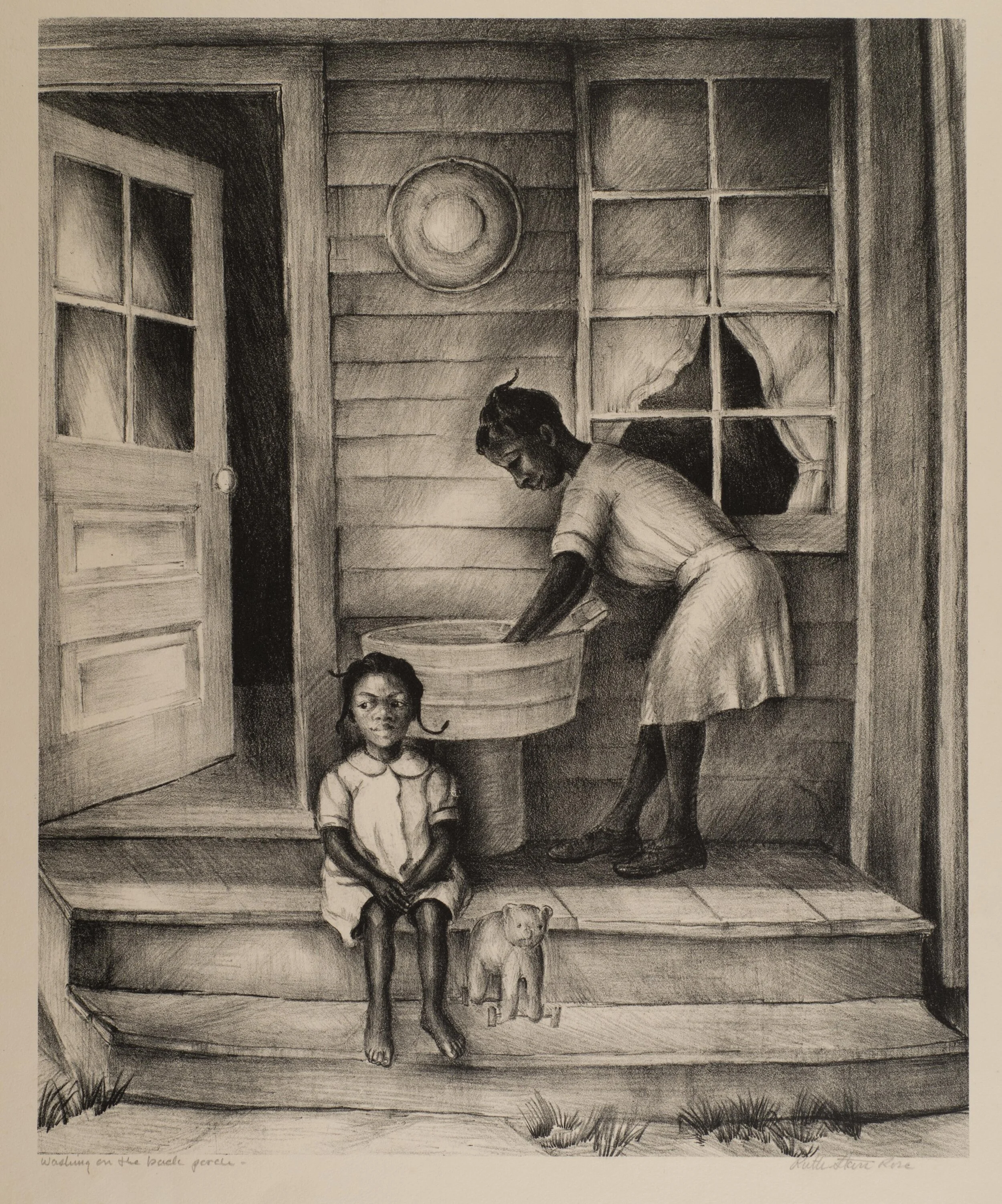
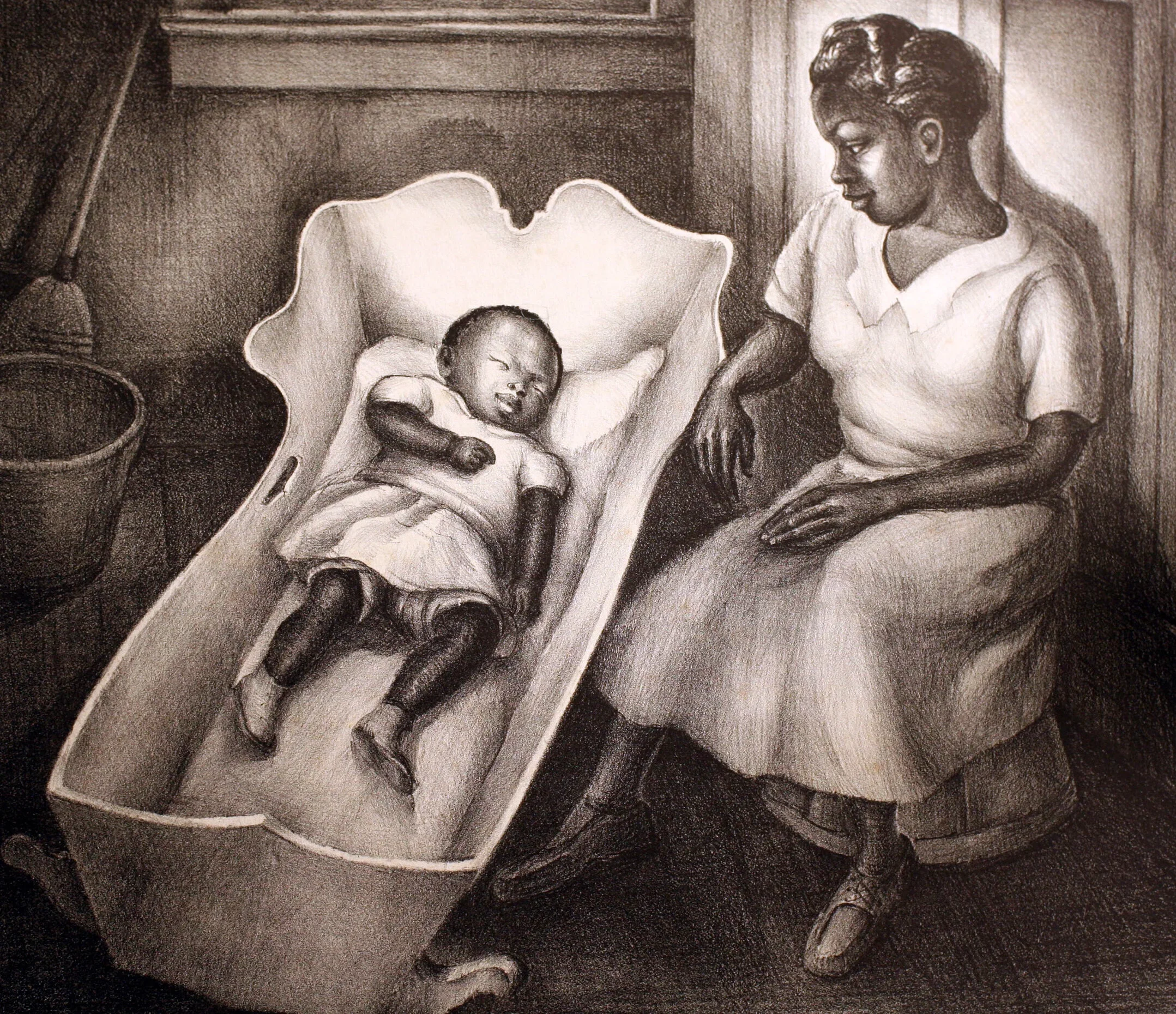
The Water’s Edge Museum is honored to present a collection of literature, paintings, lithographs, frescoes, and drawings of African American life created over 100 years ago.
This is the first time that these elements have been fused together in an exhibition that describes the process of creating works of art to celebrate daily life, spirituality, and the environment. Moreover, the museum reflects upon the artistic process of documenting life at the water’s edge–and to promote healing through a deeper understanding.
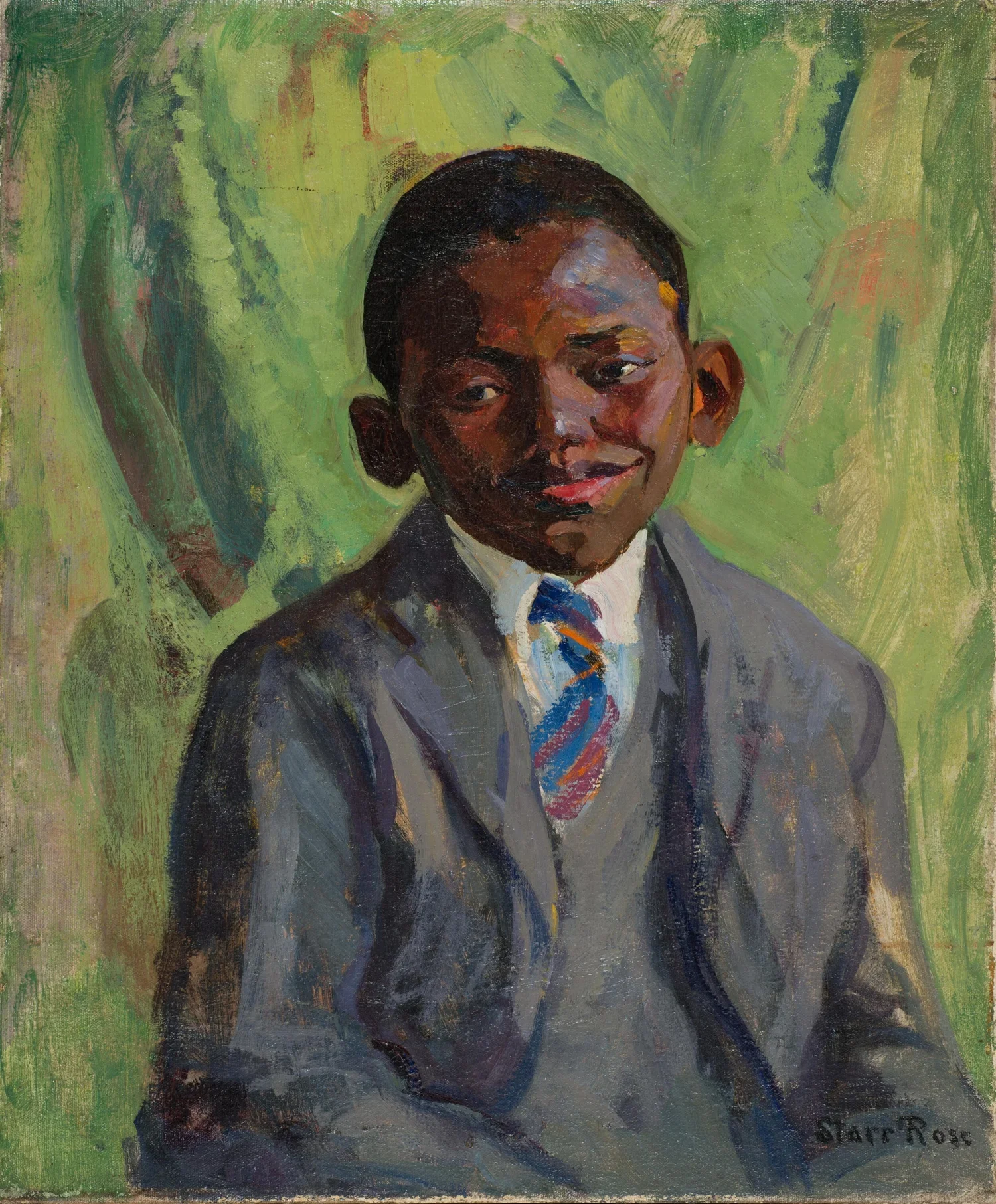
The portraits, any of them done in oil, accord their subjects a refreshing dignity that was revolutionary at the time they were painted. The exhibition also includes work in other media, including the visual arts, literature, and music. The collection aims to expand our knowledge of the history and culture in some of America’s earliest Black communities.
Through art and culture, The Water’s Edge presents an uplifting story of a people who tended to be relegated to the caste of the invisible.
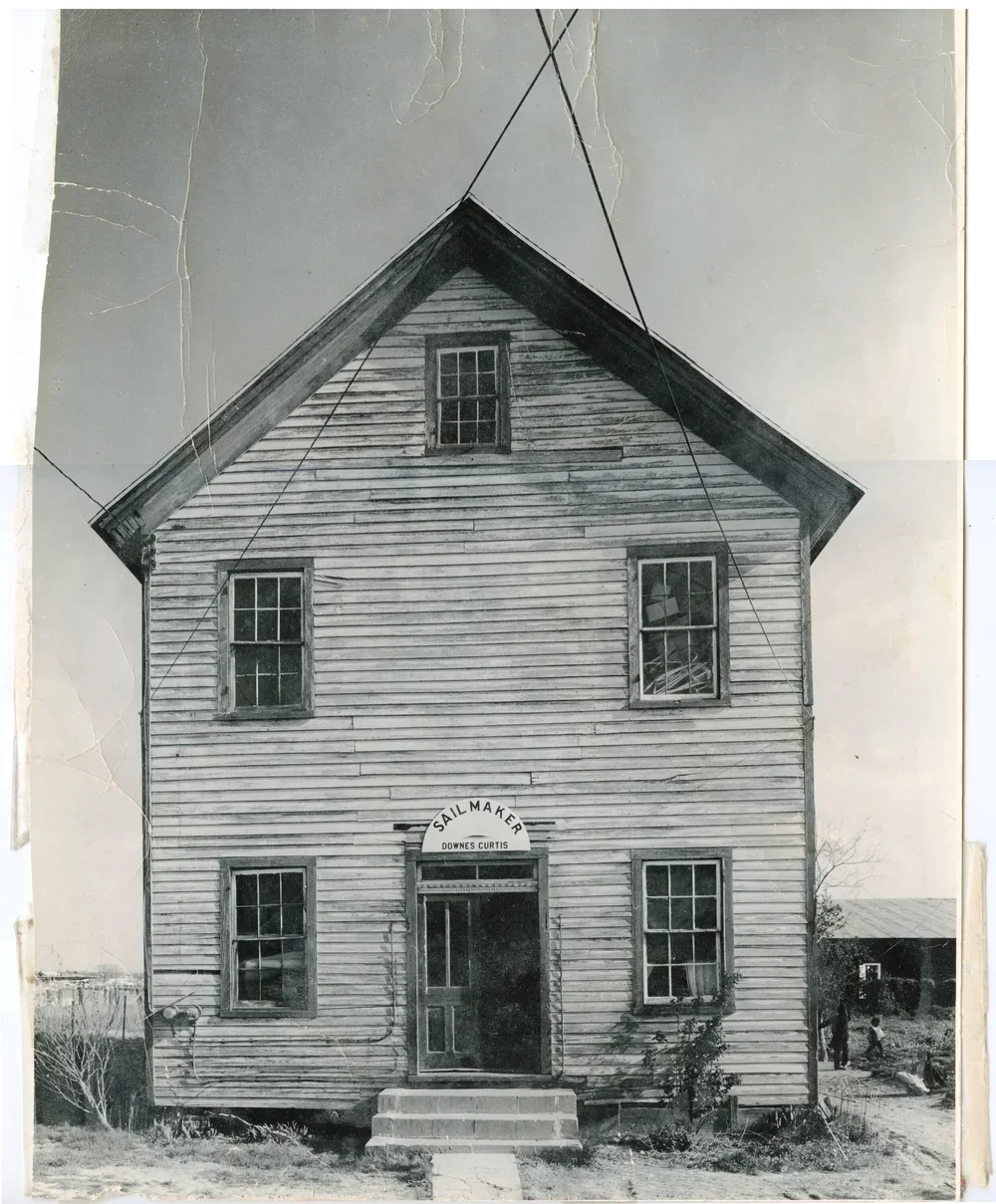
Black-and-white photograph of Downes and Albert Curtis’s historic sailmaker’s loft on Tilghman Street, Oxford, ca. 1930. Courtesy of © Mr. and Mrs. George Albury
Founding Black Families Beginning
From thriving villages in West Africa, people of color were brought to Maryland to plant, tend, and harvest tobacco. Loaded into the lowest level of crowded ships, they were brought to many other places including South Carolina where they cultivated millions of acres of low country rice. From Mozambique Island, they were brought to New York in shackles and bartered to fell trees for New England’s lucrative shipbuilding industry. However conflicted they may have been, the Founding Fathers of America acknowledged that slavery was a critical building block toward creating the solid foundation of democracy.
Enslaved persons fueled the engine that would become the new democracy. They made up the backbone of America’s deepest stain—the global slave trade. These were America’s enslaved Africans, and in their way, Founding Fathers of America. On African soil, they knew themselves as Ota Bendi, Kunta Kinte, Olaudah Equiano, and Ayubah Suileman Diallo. Once they were relocated to a plantation they were given new names: Hercules, Nero, Toby, Kizzie, and Modesty.
The Water’s Edge Museum Role ?
The Water’s Edge Museum embraces the complex stories of the Founding Black Families who harnessed their power, and placed it quietly but resolutely into the hands of their descendants.
The museum honors how they lived, and how their lives mattered. Privately aware of the accomplishments of their forebears as African tribesmen and nobility, these individuals were resilient, and excelled as professionals, exemplary in their own right. In spite of pervasive racial injustice, they forged ahead to stake a claim in the America that needed them, but continued to refuse to acknowledge them for their crucial role. At least until now.
Presenting the Founding Black Families of America as a portrait of a people on the Eastern Shore, The Water’s Edge Museum offers a first look at the invaluable role played by people of color through their loyalty, devotion, and bedrock spiritual foundation. The museum sets out to showcase the powerful work ethic, patriotism, religious history, and musical integrity of a culture that had been either ignored, underestimated, or undervalued. The primary goal is to support people of today in finding their place in history and identifying their own positive and unique voice when tackling inequity.
This story is relevant to all audiences—from underrepresented youth to their elders—as it delivers important lessons of collaborating with others outside of one’s own comfort zone to create a better world.
Exploring through art the portraiture, patriotism, spiritual beliefs, and earliest sacred music handed down to families of early African American leaders, the exhibition fosters the kind of community spirit that celebrates America for its diversity. Focusing on the Eastern Shore, the exhibition makes a side glance to its greater American context. The Water’s Edge compares the visual arts, music, and written words of Hervey Allen, Mabel Dwight, Dubose Heyward, Langston Hughes, Victoria Hutson Huntley, Zora Neale Hurston, Julia Mood Peterkin, Josephine Pinckney, Paul Robeson, Ruth Starr Rose, Gertrude Stein, Doris Ulmann, and Waters Turpin.
What Do We Mean by “Founding Black Families”?
We are often asked what we mean when we refer to Founding Black Families of the Eastern Shore. While the phrase may sound formal, it simply refers to African American families whose roots in this region stretch back multiple generations and who helped shape their communities on the Eastern Shore of Maryland.
Founding Black Families (noun)
Families of African American ancestry whose roots in the Eastern Shore region extend back multiple generations and who played a foundational role in building and sustaining local communities.
Many of these families trace their presence to the 19th century or earlier, contributing to the cultural, maritime, agricultural, and civic life of the Chesapeake Bay region.